April 9, 2026
If you’ve ever thought exercise has to leave you gasping for air or drenched in sweat to “count,” think again. For women 45 and older especially those navigating menopause the rules of fitness change. As estrogen levels fall, women often experience weight gain, joint stiffness, and sleep disturbances.
And suddenly, your knees have opinions, your sleep schedule has a personality of its own, and your metabolism seems to have quietly packed its bags and left without notice. And yet, the fitness world keeps shouting, “Go harder!” which, frankly, feels like terrible advice when your body is already juggling hormonal changes, increased stress, and a whole new set of physical rules.
Here’s the truth that doesn’t get talked about enough: low-impact exercise isn’t a step down, it’s a strategic upgrade, one that works with your body instead of constantly fighting against it.
What Does Low-Impact Exercise Actually Mean?
Before you roll your eyes and picture slow-motion stretching with elevator music in the background, let’s clear something up: low-impact does not mean low effort, low results, or low anything that matters.
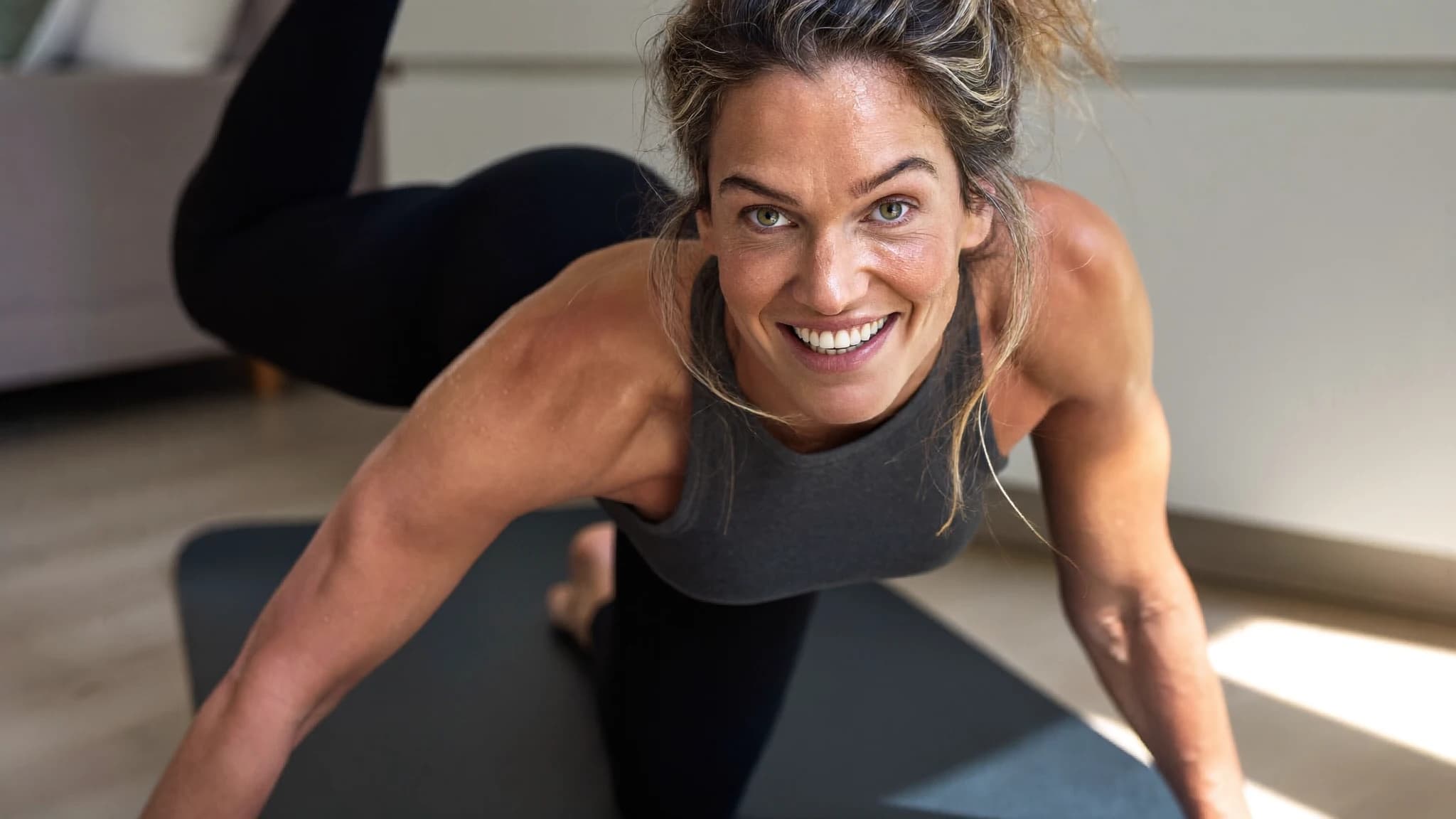
In simple terms, low-impact exercise refers to movements that are gentle on your joints, typically keeping at least one foot on the ground at all times, which means no pounding, jumping, or aggressive impact that sends shockwaves through your knees, hips, and lower back. Think brisk walking, cycling, swimming, Pilates, yoga, or even a surprisingly intense barre class that looks innocent until your legs start shaking like you’ve just run a marathon.
What makes these workouts so effective is control, precision, and consistency. When you slow things down and focus on proper form, your muscles stay under tension longer, which, interestingly enough, can make a simple squat feel far more challenging than a rushed, sloppy version of the same movement.
Why High-Impact Workouts Can Backfire After 45
Now, let’s talk about the elephant in the room or rather, the treadmill sprint that used to feel empowering but now feels like a joint protest waiting to happen.
As estrogen levels decline during menopause, your body undergoes changes that directly affect how it responds to exercise. Joints lose some of their natural lubrication, muscles take longer to recover, and suddenly that high-intensity interval training session you used to love feels less like a challenge and more like a punishment.
And then there’s cortisol, the stress hormone that loves to spike during intense workouts, especially in midlife. While a little cortisol is normal, consistently elevated levels can lead to increased inflammation, disrupted sleep, stubborn belly fat, and that lingering feeling of exhaustion that no amount of coffee seems to fix.
So if you’ve ever finished a brutal workout only to feel more drained than accomplished, it’s not your imagination, it's your body asking for a different approach.
The Science Behind Low-Impact Results
Researchers have found that moderate, low-impact training programs still spark muscle growth, fat loss and cardiovascular gains when done consistently. For example, a study from the University of Exeter had women aged 40–60 follow a 12-week low-impact resistance routine (using bands, ankle weights and light dumbbells) at home.
The results?
Hip strength jumped by 19%, flexibility increased 21%, and dynamic balance improved by 10%. Crucially, participants also added lean muscle mass without putting on extra weight.
These improvements were seen across pre-, peri- and post-menopausal women, showing that even declining estrogen doesn’t block the benefits of well-designed strength work. Other research notes that moderate resistance training alone can significantly boost muscle mass and metabolic health in postmenopausal women. And when it comes to the heart and lungs, low-impact cardio isn’t slacking off, either. In older adults, activities like brisk walking or cycling were found to improve cardiovascular fitness just as effectively as more intense workouts.
The secret sauce here is consistency. It’s far easier to stick to a joint-friendly routine than one that leaves you sore and fed up. In fact, one fitness guideline highlights that 150 minutes of moderate exercise per week (which includes low-impact activity) is the real gold standard for health. Show up regularly, and over time you’ll see those strength, endurance and body composition changes even if each workout felt “easy” compared to your 20s.
Benefits of Low-Impact Exercise During Menopause
1. It Protects Your Joints Without Sacrificing Strength
As your body changes, your joints need a little more kindness and a lot less pounding. Low-impact workouts allow you to build strength in the muscles surrounding your joints, providing stability and support without unnecessary strain so instead of feeling stiff and achy, you start to feel stronger and more mobile.
2. It Supports Hormonal Balance (Without the Drama)
Gentle, consistent movement helps regulate cortisol levels while boosting feel-good hormones like endorphins, which can improve mood, reduce anxiety, and even make those unpredictable menopause symptoms feel a bit more manageable.
3. It Builds Lean Muscle Without Burning You Out
Muscle loss becomes a real concern after 45, but here’s the good news: you don’t need heavy lifting or extreme workouts to maintain and build muscle. Resistance bands, light weights, and bodyweight exercises can do the job beautifully without leaving you sore for days.
4. It Improves Sleep and Energy Levels
And let’s be real, good sleep is basically the holy grail at this stage. Regular low-impact exercise has been shown to improve sleep quality, which in turn boosts energy, mood, and overall well-being.
5. It’s Actually Sustainable (Which Is the Whole Point)
Because here’s the thing: what works isn’t what’s hardest, it’s what you can stick with. And low-impact workouts are far more enjoyable, which means you’re more likely to keep showing up, week after week, without dreading every session.
Low-Impact Doesn’t Mean Easy Let’s Bust That Myth
There's a persistent myth that if a workout looks graceful or controlled, it must not be doing much but anyone who has held a deep squat for longer than 30 seconds knows that’s simply not true.
Low-impact workouts challenge your body in a different way, emphasizing precision, balance, and time under tension, which can activate muscles more deeply than fast, high-impact movements ever could. A slow Pilates sequence or a controlled yoga flow can leave your muscles trembling not because you’re jumping around, but because you’re working them intelligently.
How to Make Low-Impact Workouts Truly Effective
-
Focus on Resistance: Use resistance bands, light dumbbells or bodyweight exercises to add challenge. Simple moves like bodyweight squats, push-ups (against a wall or on knees) and banded leg lifts can be surprisingly tough when done with full range of motion. Resistance is what builds muscle, and studies show even at-home band programs can improve strength and hormone balance in postmenopausal women.
-
Slow Down Your Movements: Take your time to squeeze and control every rep. Slowing down increases the time your muscles are under tension, which drives strength and growth. Instead of rushing through reps, count 3–5 seconds up and down. You’ll often feel the burn more than zipping through a faster routine.
-
Stay Consistent: Aim for 3–5 sessions per week. Even if they’re shorter, regular workouts add up. Remember the CDC recommendation of 150 minutes of moderate exercise weekly – low-impact workouts check this box. So block your schedule for a few short workouts each week rather than one all-out marathon session once in a blue moon.
-
Add Variety: Mix strength, mobility and light cardio. Combine days of strength training (bodyweight moves, bands, or light weights) with days of gentle cardio (brisk walks, easy cycling or swimming) and days focused on flexibility/mind-body (yoga, Pilates, Tai Chi). This “cross-training” approach prevents boredom and works different systems – for example, going for a 30-minute walk one day and then doing a 30-minute Pilates video the next. Research supports a balanced approach: including aerobic exercise, resistance training and flexibility work is ideal for menopausal health.
-
Listen to Your Body: Adjust intensity based on how you feel. Some days you might have lots of energy for a tougher low-impact strength class; other days a gentle stretch or restorative yoga is perfect. Pay attention to aches and fatigue, remember the goal is sustainable support, not burning out. In fact, menopause exercise experts emphasize being gentle with yourself and choosing movements that feel fulfilling in the moment.
The Psychological Shift: From Punishment to Support
One of the biggest changes during menopause is how we think about exercise. If you approach workouts as punishment, you’ll soon dread them. Instead, start thinking of movement as support for your changing body. Many women in midlife report feeling let down by the “go hard or go home” attitude they followed in their 20s and 30s. A recent interview-based study found stories like this: “I’ve gone through three personal trainers…they don’t seem to realize that I’m not 20 anymore. My joints hurt so much when I do those workouts now,” one woman said. The key is to listen and adjust.
Menopause coaches advise being gentle for instance, choosing a walk and stretch over an all-out HIIT session if that’s what feels right that day. When you prioritize exercises that feel good (like a soothing yoga flow or a fun dance class), you actually end up doing more overall. Ultimately, shifting from a mindset of “I have to punish my body” to “I am caring for my body” is what makes fitness sustainable. That mindset change from forcing workouts to enjoying them leads to consistent habits, and with consistency come real results.
Common Myths About Low-Impact Exercise
Myth 1: “You won’t lose weight on low-impact.” Not true. Fat loss mostly comes down to consistent movement and nutrition, not just intensity. In fact, low-impact strength workouts help you build lean muscle (which burns calories at rest).
Myth 2: “It’s only for beginners or older folks.” Also false. Some of the world’s most successful training programs for longevity use low-impact methods to keep bodies healthy for the long haul. Many serious athletes include Pilates, yoga or barre in their routines as active recovery. If you can challenge your muscles and elevate your heart rate, it doesn’t matter how “old” you are, it’s a valuable workout.
Myth 3: “If it’s easy on joints, it’s not ‘real’ exercise.” Don’t be fooled by appearances. Real exercise is simply when your body works harder than normal. If your muscles are fatigued and your heart rate is up by the end, it counts. Endurance and strength gains happen whenever you overload the body, even gently. As one fitness expert says, low-impact isn’t a “modification” – it’s a powerful and sustainable way to get results.
Final Thoughts: Strong, Not Strained
At this stage of life, fitness isn’t about proving how hard you can push, it's about discovering how well you can support your body through change, growth, and everything in between. Low-impact exercise offers a path that’s not only effective but sustainable, helping you build strength, improve mobility, and feel more energized without the constant risk of burnout or injury.
And if you’re looking for a simple way to stay consistent without overthinking your workouts, tools like the Younger Fitness App can make the process feel less like a chore and more like a routine you actually enjoy showing up for because at the end of the day, the best workout isn’t the hardest one, it’s the one you’ll keep doing.
Sources & Citations
- Harvard Health Publishing. Exercise and Aging: Can You Walk Away from Father Time?
- Mayo Clinic. Exercise During Menopause: Benefits and Tips
- North American Menopause Society (NAMS). Physical Activity and Menopause
- University of Exeter Study on Midlife Women and Low-Impact Resistance Training
- Centers for Disease Control and Prevention (CDC). How Much Physical Activity Do Adults Need?
- National Institute on Aging (NIH). Exercise and Physical Activity: Your Everyday Guide
- American College of Obstetricians and Gynecologists (ACOG). Exercise and Aging in Women