February 24, 2026
Getting past 45, many men notice a quiet fade in their drive. It’s easy to blame “just getting older,” but the truth is more complex. Men’s testosterone starts to decline about 1% a year after age 30, and factors like extra belly fat and chronic stress accelerate the drop often leading to symptoms of low testosterone.
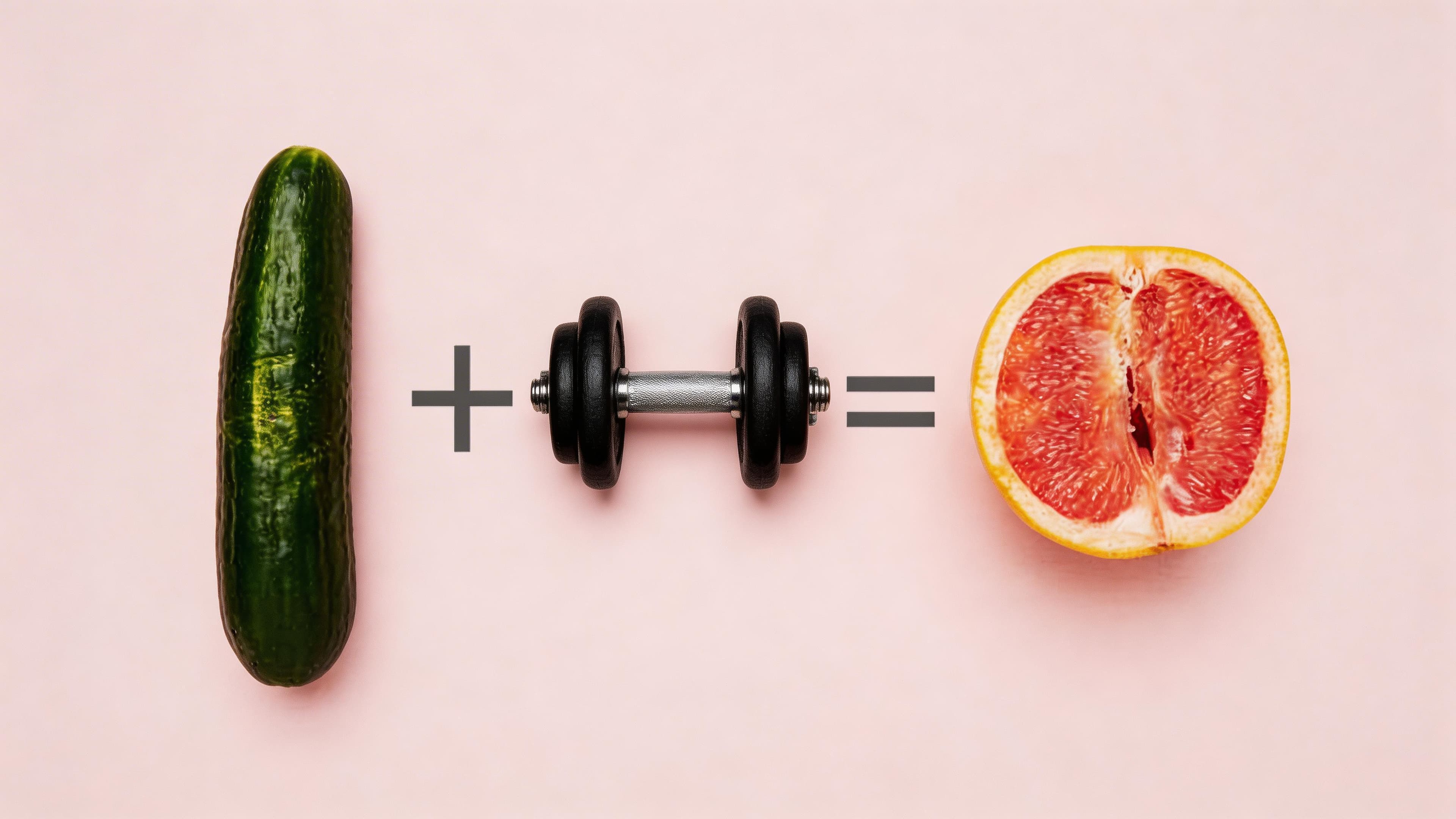
But it's time for good news - Harvard experts note that losing weight through diet and exercise can boost testosterone by up to 30%. In other words, a sluggish libido isn’t a sentence but a message that you need to rebuild strength, manage stress, and get your body in a place where it “believes in” vitality again. Strength training is key, not just for muscles, but for resetting the hormonal balance and confidence that fuel a healthy sex drive.
How Strength Training After 45 Impacts Testosterone and Libido
Men’s bodies are wired to interpret physical strength as vitality. When you train large muscle groups (legs, chest, back) you send a clear biological message: I’m strong. I’m capable. I’m alive.
Compound movements like squats, push-ups, rows, and deadlifts stimulate a temporary rise in testosterone, especially when performed at moderate to high intensity.
Research consistently shows that resistance training involving large muscle groups produces the greatest hormonal response. In simple terms, big movements create a bigger signal. But it’s not just about testosterone.
Strength training also increases:
- Dopamine (motivation and drive)
- Endorphins (feel-good chemicals)
- Growth hormone (recovery and vitality)
- Insulin sensitivity (metabolic health)
When you feel physically strong, confidence follows and confidence is deeply tied to libido. Here’s where things go wrong.
When energy starts to dip, many men respond by doing more without proper recovery. On the surface, it feels disciplined. In reality, it can backfire. Chronic endurance exercise and overtraining elevate cortisol, the body’s primary stress hormone, and when cortisol stays high, testosterone tends to drop. Too much stress combined with too little recovery creates hormonal suppression and that’s when libido declines even further.
If your goal is to boost testosterone naturally, the solution isn’t more exhaustion. It’s structured, progressive strength training combined with recovery.
Home Strength Workouts That Actually Work
You don’t need a fancy gym membership to rebuild strength and boost testosterone after 45. Simple, structured home workouts can activate large muscle groups and stimulate the hormonal response that supports energy and libido.
Start with lower-body movements, because your legs and glutes are your largest muscle groups. Squats and lunges are foundational for a reason: they recruit massive amounts of muscle tissue, which creates a stronger hormonal signal. Bodyweight squats work well, or you can hold a heavy object like a backpack or suitcase for added resistance. Aim for 3 sets of 8–15 controlled reps. Lower-body training has been shown to create a greater testosterone response than upper-body-only sessions.
Next, include push movements like push-ups. They train the chest, shoulders, and triceps simultaneously. Whether on your toes, knees, or elevated on a bench or counter, focus on slow, controlled reps. Even 2–3 sets of 8–12 reps can be highly effective when done with proper intensity.
Balance pushing with pulling exercises such as rows. Use dumbbells, resistance bands, water jugs, or even perform bodyweight rows under a sturdy table. Pulling movements activate the back and lats, engaging more muscle mass and contributing to a stronger overall hormonal response.
Add core stability work like planks or carries. While core exercises alone won’t spike testosterone the way squats do, a strong core improves performance in every other lift, reduces injury risk, and allows you to train consistently which ultimately matters more.
Finally, consider loaded carries or overhead holds. Holding heavy objects while walking (farmer’s carries) or standing tall with weight overhead activates multiple muscle groups and builds real-world strength.
The formula is simple: lift consistently, recover intentionally, and let your body respond.
Strength Training Rebuilds More Than Muscle
Strength training after 45, this isn’t just about looking better in the mirror. It’s about rebuilding internal momentum. Strength training improves blood flow, supports metabolic health, reduces visceral fat, sharpens mental focus, and increases overall resilience all of which directly influence libido. When your body composition improves and inflammation drops, testosterone functions more effectively. When your posture improves and energy stabilizes, confidence rises naturally.
There’s also a psychological shift that happens when you train consistently. You begin keeping promises to yourself again. You feel capable. Disciplined. Physically present. That internal stability translates into every area of life including intimacy.
Sex drive after 45 isn’t only hormonal. It’s neurological, metabolic, emotional, and physical. Strength training supports all four systems at once.
You don’t need extremes.
You need consistency.
You need progressive challenge.
You need recovery.
And when those pieces are in place, the result isn’t just stronger muscles, it's stronger drive.
Why Younger Fitness Is Built for Men 45+
If you’re not sure how to structure your training after 45, that’s exactly where Younger Fitness comes in.
Our programs are expertly designed specifically for men 45+ who want to rebuild strength, improve metabolic health, and naturally support testosterone and vitality. Every plan inside the app balances compound strength work, smart progression, and proper recovery so you’re not guessing, overtraining, or following wrong routines.
Because rebuilding your sex drive is about training in a way your body understands.
Citations
-
Age-related testosterone decline in men averages approximately 1% per year after age 30.
Source: Harman S.M. et al., "Longitudinal Effects of Aging on Serum Total and Free Testosterone Levels in Healthy Men." Journal of Clinical Endocrinology & Metabolism. -
Weight loss through diet and exercise can significantly increase testosterone levels in overweight men.
Source: Harvard Health Publishing, "Lifestyle Strategies to Help Prevent Natural Age-Related Decline in Testosterone." -
Resistance training involving large muscle groups produces acute increases in testosterone levels.
Source: Kraemer W.J., Ratamess N.A., "Hormonal Responses and Adaptations to Resistance Exercise and Training." Sports Medicine. -
Chronic endurance training and overtraining can elevate cortisol and suppress testosterone production.
Source: Hackney A.C., "Effects of Endurance Exercise on the Reproductive System of Men." Journal of Endocrinological Investigation. -
Strength training improves insulin sensitivity, reduces visceral fat, and supports metabolic health in middle-aged men.
Source: Phillips S.M., "Resistance Exercise: Good for More Than Just Grandma and Grandpa’s Muscles." Applied Physiology, Nutrition, and Metabolism. -
Exercise-induced improvements in mood and dopamine response contribute to enhanced motivation and sexual well-being.
Source: Dishman R.K. et al., "Neurobiology of Exercise." Obesity Journal.