July 24, 2026
Your body doesn't suddenly stop needing healthy fats after menopause.
In many ways, it begins relying on them even more.
As estrogen levels decline, women experience changes that extend far beyond reproductive health. Cholesterol levels often begin to rise. Blood vessels gradually become less flexible. Chronic, low-grade inflammation becomes more common. Bone loss accelerates, muscle mass slowly declines, and many women notice changes in mood, memory, or concentration.
These shifts are a normal part of aging, but they also explain why nutrition becomes increasingly important during midlife.
Omega-3 fatty acids particularly EPA and DHA are among the nutrients most consistently associated with healthy aging because they support multiple systems at the same time rather than targeting just one.
Instead of promising dramatic overnight results, they quietly contribute to the health of your heart, brain, joints, eyes, and immune system over the long term.
Think of omega-3s as part of the foundation that helps your body adapt to the hormonal changes of midlife.
Your Heart Is Changing, Too
One of the biggest health shifts women experience after menopause isn't visible. It's happening inside the cardiovascular system.
Before menopause, estrogen provides some protection for blood vessels and cholesterol balance. As those hormone levels decline, women's risk of cardiovascular disease gradually increases.
This is one reason heart disease becomes the leading cause of death among women later in life.
Research has repeatedly shown that diets naturally rich in omega-3 fatty acids are associated with better cardiovascular health. Omega-3s help support healthy triglyceride levels, promote normal blood vessel function, and help regulate inflammatory processes involved in cardiovascular disease.
While no single nutrient replaces regular exercise, adequate sleep, or a balanced diet, omega-3-rich foods have become one of the cornerstones of heart-healthy eating patterns such as the Mediterranean diet.
Omega-3s Do More Than Support the Heart
Many people think of omega-3s only as "heart healthy."
The science suggests they're doing much more.
DHA is one of the primary structural fats found in the brain, while both EPA and DHA play important roles in nervous system function.
Researchers continue to investigate how these fatty acids influence mood, memory, and emotional well-being during menopause.
Although studies on cognitive performance remain mixed, evidence is more encouraging when it comes to emotional health. Several reviews suggest women who consume more omega-3s may experience improvements in mood and fewer depressive symptoms during the menopausal transition.
That doesn't mean omega-3s replace other treatments.
It simply highlights how nutrition can become another supportive tool during a stage of life when emotional health often deserves just as much attention as physical health.
An Anti-Inflammatory Ally During Healthy Aging
Inflammation is often misunderstood.
It's not something that should disappear completely, it's part of your body's natural defense system. The problem arises when low-grade inflammation quietly persists for years.
Scientists now recognize chronic inflammation as one of the biological processes linked to aging and many age-related conditions.
Omega-3 fatty acids help regulate inflammatory pathways, which is one reason researchers continue studying their role in joint comfort, mobility, and healthy aging.
For women over 50 who want to stay active, lift weights, hike, travel, or simply move comfortably through daily life, supporting recovery becomes increasingly valuable.
Healthy aging isn't only about adding years to life.
It's about adding life to those years.
Where Can You Naturally Find Omega-3s?
One of the best things about omega-3s is that many excellent sources are ordinary foods rather than specialty products.
Fatty fish remain the richest natural source of EPA and DHA.
Some of the best choices include:
-
Salmon
-
Sardines
-
Mackerel
-
Herring
-
Trout
-
Anchovies
Plant foods also contain omega-3s, although in a different form called ALA.
Excellent plant sources include:
-
Walnuts
-
Chia seeds
-
Ground flaxseed
-
Hemp seeds
-
Edamame
Because the body converts only a small percentage of ALA into EPA and DHA, eating a variety of omega-3-rich foods can help support overall intake.
What Women Over 50 Should Pay Attention To
Healthy aging isn't about chasing miracle supplements.
It's about building habits that consistently support your body.
When choosing omega-3-rich foods or supplements if you and your healthcare provider decide they're appropriate, quality matters.
If you buy fish, choose varieties known to be lower in mercury whenever possible.
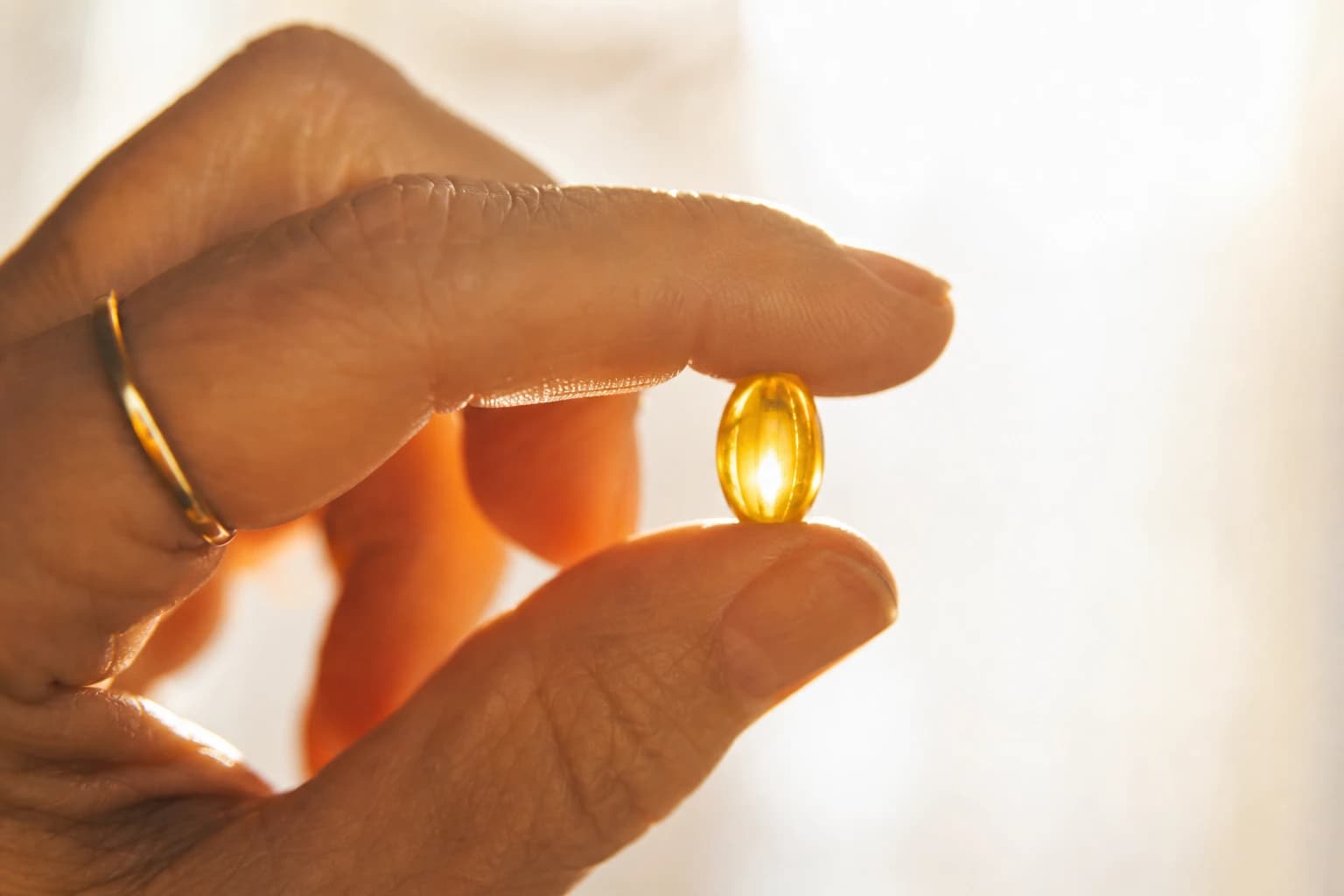
If you choose a fish oil or algae-based supplement, look for brands that undergo independent third-party testing for purity and freshness. High-quality products should clearly list the amounts of EPA and DHA rather than only the total amount of "fish oil."
Most importantly, remember that omega-3s work best as part of an overall healthy lifestyle.
They cannot replace regular movement, strength training, adequate protein, quality sleep, or a nutrient-rich diet.
Instead, they complement those habits, helping create the foundation for healthy aging.
The Bottom Line
There is no single nutrient that can stop aging. But some nutrients make aging better.
Omega-3 fatty acids have earned their reputation because they support many of the systems that naturally become more vulnerable after menopause—from the heart and brain to joints, eyes, and emotional well-being.
For women over 50, healthy aging isn't about finding one magic solution.
It's about consistently making choices that help your body thrive for decades to come.
And adding more omega-3-rich foods to your plate may be one of the simplest places to start.
References (Citations)
- American Heart Association. Fish and Omega-3 Fatty Acids. 2023.
- National Institutes of Health, Office of Dietary Supplements. Omega-3 Fatty Acids Fact Sheet for Health Professionals. Updated 2024.
- Decandia M, et al. Omega-3 Fatty Acids and Menopausal Symptoms: A Systematic Review. Nutrients. 2022.
- Bhatt DL, et al. Cardiovascular Risk Reduction with Icosapent Ethyl. New England Journal of Medicine (REDUCE-IT). 2019.
- AREDS2 Research Group. Omega-3 Fatty Acid Supplementation and Cognitive Function. 2020.
- Liu Y, et al. Dietary Omega-3 Intake and Osteoporosis Risk in Women: NHANES Analysis. Frontiers in Nutrition. 2025.
- European Food Safety Authority (EFSA). Scientific Opinion on Dietary Reference Values for Fats. 2010.
- Harvard T.H. Chan School of Public Health. The Nutrition Source: Omega-3 Fats.
- National Institute on Aging. Healthy Eating as You Age.
- World Health Organization. Healthy Diet Factsheet.