July 7, 2026
For many women over 45, walking feels like the perfect exercise. It requires no gym membership, no complicated equipment, and no intimidating workout routines. You can do it almost anywhere, fit it into a busy schedule, and immediately enjoy benefits such as reduced stress, improved mood, better cardiovascular health, and increased daily movement.
In fact, walking deserves its reputation as one of the most accessible and sustainable forms of exercise available today. Health organizations around the world, including the World Health Organization (WHO), the National Health Service (NHS), and the American College of Sports Medicine (ACSM), all recommend regular aerobic activity, and brisk walking remains one of the easiest ways to achieve that goal.
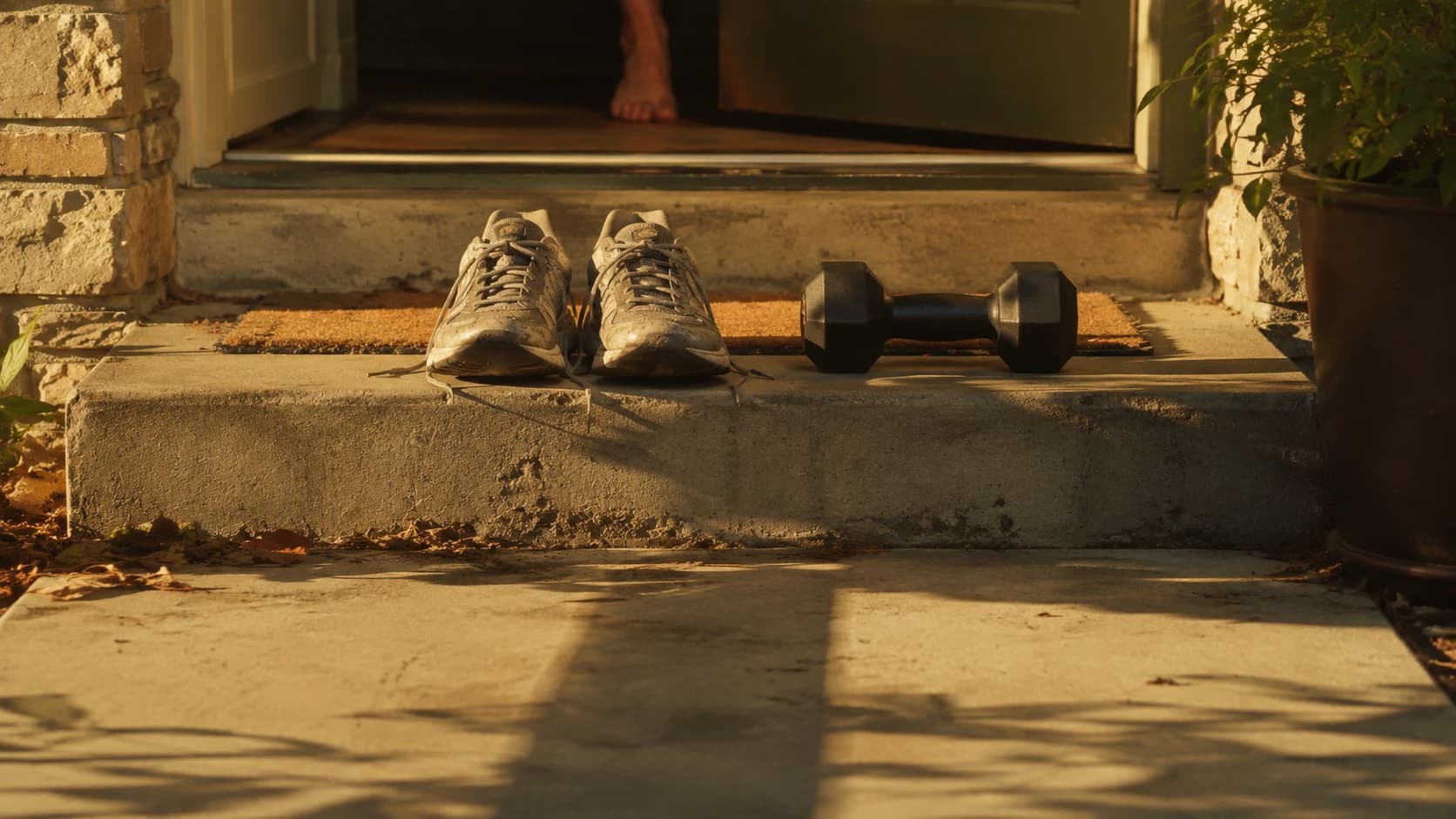
However, there is one important reality that many women discover during midlife: walking and strength training are not the same thing, and they do not produce the same results.
While walking supports your heart, lungs, and overall fitness, your muscles and bones require something different if they are going to remain strong and resilient as you age. That distinction becomes increasingly important after 45, when hormonal changes associated with menopause begin to influence muscle mass, metabolism, and bone density.
Why Muscle Loss Accelerates After 45
Many women notice subtle changes during their late forties and fifties. Activities that once felt effortless may suddenly feel more challenging. Carrying groceries, climbing stairs, lifting luggage, or getting up from the floor can require more effort than before.
These changes are not simply a result of getting older.
Research shows that declining estrogen levels during menopause can contribute to the gradual loss of lean muscle tissue, a process closely linked to sarcopenia, the age-related loss of muscle mass and strength. At the same time, many women experience a slower metabolism, increased body fat accumulation, and reduced bone density.
The combination of these changes means that maintaining muscle becomes just as important as maintaining cardiovascular fitness.
This is where many women unintentionally fall short.
They continue walking consistently, believing they are doing everything necessary for healthy aging, while overlooking the type of training their muscles need to stay strong.
Walking Is Beneficial But It Has Limits
Let's be clear: walking is absolutely worth doing.
Studies involving postmenopausal women consistently show that walking can improve:
- Cardiovascular health
- Blood sugar regulation
- Body composition
- Aerobic fitness
- Mobility
- Inflammation markers
- Mental well-being
Research has also shown that walking can improve lower-body function and even enhance muscle quality in the legs.
Yet walking has limitations when the goal is preserving or building muscle mass.
Muscles grow and strengthen when they experience progressive overload, which means they are challenged with increasing resistance over time. Walking provides movement, but it generally does not create enough mechanical tension to stimulate significant whole-body muscle growth.
In simple terms, your muscles eventually adapt to walking. Once that adaptation occurs, they need a stronger signal to continue developing.
Walking vs Strength Training: What Does the Evidence Show?
The comparison between walking and resistance training has been studied extensively in older women.
One notable study comparing walking programs with resistance circuit training found that while walking improved lower-limb strength and functional mobility, resistance training produced significantly greater improvements in both upper-body and lower-body strength. Participants in the resistance training group experienced broader gains in overall physical function.
Another systematic review examining postmenopausal women reported a clear distinction:
- Aerobic exercise was more effective for reducing body fat.
- Resistance training was more effective for increasing muscle mass.
This distinction matters because many women over 45 have two different goals:
- Improve overall health and stamina.
- Preserve strength and muscle tissue.
Walking excels at the first goal.
Resistance training excels at the second.
The most effective strategy combines both.
Bone Health: The Often Forgotten Piece of Healthy Aging
Muscle is not the only concern after menopause.
Bone density naturally declines with age, increasing the risk of osteopenia and osteoporosis.
While walking places some load on the skeletal system, research suggests that walking alone provides limited benefits for preserving bone mineral density in postmenopausal women. Longer-term walking programs may support certain areas of the hip, but overall bone improvements tend to be modest.
Resistance training tells a different story.
Studies such as the LIFTMOR trial demonstrated that properly supervised resistance and impact training improved bone density and physical function in postmenopausal women with low bone mass.
For women concerned about fractures, independence, and long-term mobility, strength training becomes a powerful tool for protecting skeletal health.
The Connection Between Strength and Longevity
Perhaps the most compelling reason to include resistance training is its relationship with long-term health outcomes.
Recent research involving older women found that greater muscular strength was associated with lower mortality risk, even after accounting for overall physical activity levels. Large observational studies have also shown that adults who combine aerobic exercise with strength training tend to experience the lowest mortality risk overall.
This isn't about achieving a certain body shape.
It is about maintaining independence, confidence, and quality of life.
Strong muscles make everyday activities easier. They reduce the likelihood of falls, support healthy metabolism, and help preserve functional abilities as the years go by.
The Ideal Exercise Formula After 45
The good news is that women do not need to choose between walking and strength training.
The best approach is combining both.
Think of walking as your cardiovascular foundation and strength training as your insurance policy for muscles and bones.
A balanced weekly routine might include:
Aerobic Activity
- Walking 4 - 5 days per week
- 25 - 40 minutes per session
- Easy to brisk pace
Strength Training
- Two or three non-consecutive days per week
- Focus on all major muscle groups
- Use body weight, resistance bands, dumbbells, or machines
Balance and Mobility
- Gentle stretching
- Balance exercises
- Mobility work
Together, these elements create a comprehensive healthy aging exercise plan.
A Beginner-Friendly Strength Routine
If you are new to resistance training, start simple.
Focus on basic movement patterns rather than complicated exercises.
Session A
- Sit-to-stand squats
- Resistance band rows
- Wall push-ups
- Glute bridges
- Calf raises
- Farmer's carries
Session B
- Step-ups
- Resistance band pulldowns
- Dumbbell chest press
- Romanian deadlifts
- Core exercises
Aim for:
- 1–2 sets initially
- 8–12 repetitions
- Moderate effort
- Clean, controlled movement
As your confidence grows, gradually increase resistance, repetitions, or sets.
This gradual progression is what makes progressive resistance training so effective.
A Simple 12-Week Progression
Weeks 1–4: Learn the Basics
- 2 sessions weekly
- 1–2 sets
- 8–12 repetitions
- Light to moderate effort
Weeks 5–8: Increase the Challenge
- 2 sessions weekly
- 2 sets
- Slightly heavier resistance
- Moderate effort
Weeks 9–12: Build Strength
- 2–3 sessions weekly
- 2–3 sets
- Moderate to challenging effort
- Add carries, step-ups, or heavier loads
Remember that consistency matters more than intensity.
The strongest women are not necessarily those who train the hardest. They are often the ones who train consistently for years.
Common Concerns About Strength Training
Many women hesitate to begin resistance training because they fear injury or believe they need a gym membership.
Neither is true.
You can achieve excellent results using:
- Resistance bands
- Light dumbbells
- Body-weight exercises
- Household items
If you have joint issues, previous injuries, osteoporosis, or medical concerns, consult your healthcare provider before beginning a new exercise program. Starting with professional guidance can help ensure safe progression.
Final Thoughts
Walking remains one of the best habits women can develop after 45. It supports cardiovascular health, boosts mood, improves mobility, and helps maintain an active lifestyle.
But walking should not be expected to do everything.
As menopause and aging naturally influence muscle mass, strength, and bone health, resistance training becomes increasingly important. The evidence is remarkably consistent: walking supports overall health, while progressive resistance training helps preserve muscle, maintain strength, protect bones, and promote long-term independence.
The smartest strategy isn't choosing between walking and strength training.
It's combining them.
Keep your daily walks. Enjoy every step. But if you want to preserve muscle mass after 45, support bone health, and build strength for the decades ahead, make room for resistance training too. Your future self will thank you for it.
References
- World Health Organization (WHO) Physical Activity Guidelines.
- NHS Physical Activity Guidelines for Adults and Older Adults.
- American College of Sports Medicine (ACSM) Physical Activity Recommendations.
- Buckinx F, et al. Sarcopenia in Menopausal Women: Current Perspectives (2022).
- Khalafi M, et al. Exercise Training and Body Composition in Postmenopausal Women (2023).
- Ramos AM, et al. Resistance Circuit Training or Walking Training in Older Women (2022).
- Yoshiko A, et al. Walking and Home-Based Resistance Training Effects on Muscle Quality (2018).
- Watson SL, et al. LIFTMOR Randomized Controlled Trial (2018).
- Li X, et al. Exercise and Bone Mineral Density in Postmenopausal Women (2025).
- LaMonte MJ, et al. Muscular Strength and Mortality in Women Aged 63–99 Years (2026).