May 18, 2026
For years, many women were taught to measure fitness success in very specific ways: a smaller number on the scale, a smaller clothing size, sore muscles after a workout, or being faster and better than everyone else in the room. Fitness culture often celebrated exhaustion, restriction, and constant self-improvement at any cost.
But somewhere around midlife, something changes.
Women over 45, especially during menopause and postmenopause, begin to realize that the old definition of “progress” no longer feels healthy, sustainable, or even meaningful. The body changes. Hormones shift. Recovery slows down. Energy becomes more valuable than punishment-based workouts. Suddenly, success looks less like shrinking yourself and more like supporting yourself.
And honestly? That shift can be incredibly freeing.
Midlife fitness is not about chasing the body you had at 25. It’s about building a body and mindset that support healthy aging, strength, confidence, emotional balance, and long-term wellness. Progress in menopause should feel different because your priorities, biology, and life experience are different.
The scale is only one tiny piece of the picture. Leaderboards don’t measure your mental health. Muscle soreness doesn’t define whether a workout was effective. Real progress in midlife goes much deeper than that.
The Number on the Scale Doesn’t Tell the Full Story
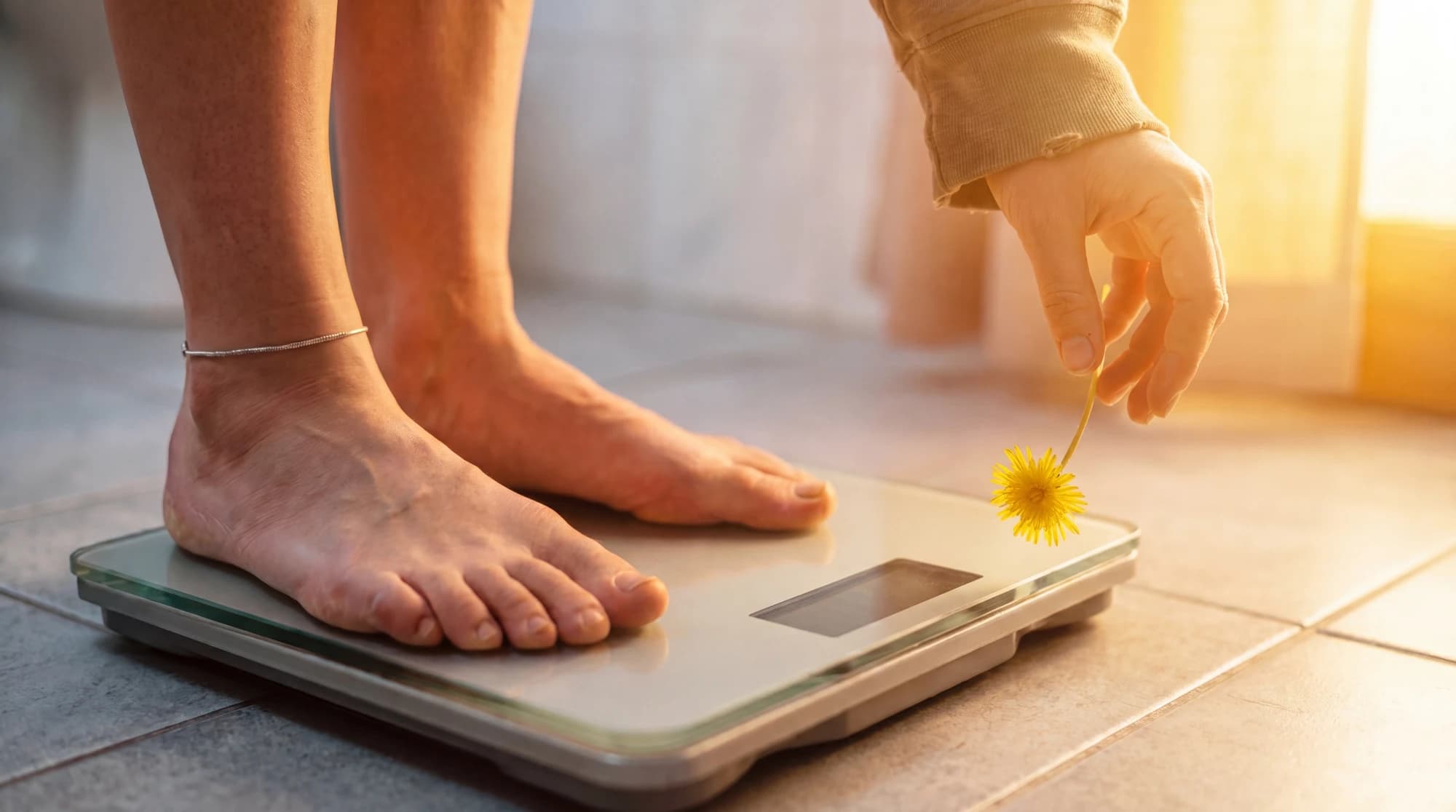
For many women, stepping on the scale has become a lifelong habit tied to self-worth. A lower number often feels like success, while a higher number can feel discouraging. But during menopause, relying only on body weight to measure progress can become emotionally exhausting and physically misleading.
Hormonal changes naturally affect body composition during midlife. Declining estrogen levels can lead to increased fat storage, especially around the abdomen, while lean muscle mass gradually decreases. This means the body may look and feel different even when lifestyle habits remain consistent.
That doesn’t mean you’re failing. In fact, many women become healthier during midlife even if the scale barely changes.
Strength Matters More Than Weight
A woman who gains muscle, improves bone density, sleeps better, and has more energy may technically weigh the same or even more than before. But her health markers, mobility, confidence, and longevity may improve dramatically.
That’s real progress.
Strength training for women 45+ often leads to body recomposition rather than dramatic weight loss. You may notice:
- Better posture
- Increased stability
- More energy throughout the day
- Reduced joint pain
- Improved mood
- Better sleep
- Greater confidence
- Improved balance and mobility
These changes matter far more than a random number on the scale.
Menopause Changes the Weight Loss Conversation
During younger years, quick dieting strategies may have produced fast results. But in midlife, aggressive calorie restriction often backfires. It can increase stress hormones, worsen fatigue, slow metabolism, and contribute to muscle loss.
Healthy aging requires nourishment!
Instead of obsessing over weight, women in menopause benefit more from asking different questions:
- Do I feel stronger?
- Am I sleeping better?
- Is my energy improving?
- Can I move without pain?
- Do I recover faster?
- Am I building sustainable habits?
Those questions reflect true wellness.
You Don’t Need to “Earn” Your Workout Through Exhaustion
One of the most harmful messages many women internalized over the years is the belief that exercise only “counts” if it leaves you drenched in sweat, completely exhausted, or barely able to walk the next day.
But midlife fitness isn’t about punishment anymore.
In fact, constantly chasing soreness and intensity can actually work against women during menopause.
Why Recovery Becomes Essential After 45
As hormones change, the body becomes more sensitive to stress. Intense workouts without proper recovery can increase cortisol levels, worsen inflammation, and leave women feeling depleted rather than energized.
That’s why healthy aging requires a smarter, more balanced approach to movement.
Sometimes progress looks like:
- Finishing a workout with energy left
- Taking a rest day without guilt
- Going for a walk instead of forcing high-intensity cardio
- Sleeping better after exercise
- Feeling mentally clearer after movement
- Exercising consistently instead of excessively
Muscle Soreness Is Not a Trophy
For years, fitness culture glorified soreness as proof of effectiveness. But soreness simply means the body is adapting to unfamiliar stress. It does not automatically mean a workout was better.
Women over 45 often thrive with moderate, consistent movement rather than extreme fitness routines.
Strength training for women 45+ should support the body, not punish it.
That may include:
- Resistance training
- Pilates
- Walking
- Yoga
- Mobility exercises
- Functional strength work
- Low-impact cardio
The goal is sustainability. A workout program that leaves you injured, exhausted, or emotionally burned out isn’t helping your long-term health.
Midlife Progress Is About Longevity, Confidence, and Quality of Life
One of the most beautiful shifts that can happen during menopause is redefining what success truly means.
In younger years, many women focused on appearance because society told them their value depended on how they looked. But midlife often brings a new perspective. Women begin prioritizing how they feel rather than how they compare.
And that changes everything.
Progress Is Being Able to Trust Your Body Again
For some women, menopause can feel like losing control of their body. Weight changes, fatigue, sleep disruptions, and hormonal symptoms can create frustration and self-doubt.
That’s why rebuilding trust with your body becomes an important part of midlife health.
Progress may look like:
- Feeling more connected to your body
- Moving without fear of injury
- Having the energy to enjoy life
- Feeling emotionally stronger
- Reducing anxiety around food and exercise
- Feeling confident in your own skin
These victories deserve recognition.
Fitness Should Improve Your Life Not Consume It
Many women are balancing careers, caregiving, relationships, family responsibilities, and emotional stress. Spending hours obsessing over calories, workouts, or fitness tracking may no longer feel fulfilling.
And honestly, it shouldn’t have to.
Healthy aging means creating a lifestyle that supports your well-being without becoming your entire identity.
A healthy fitness routine should leave room for:
- Relationships
- Joy
- Rest
- Hobbies
- Travel
- Mental health
- Flexibility
- Real life
Leaderboards Don’t Measure Real Wellness
Modern fitness culture often encourages comparison through apps, challenges, and rankings. While competition can motivate some people, it can also create pressure and feelings of inadequacy.
But here’s the thing: your body is not competing against someone else’s body.
Women in menopause need individualized fitness approaches based on their hormones, recovery needs, stress levels, and personal goals.
You do not need to “win” a workout class to be healthy.
You don’t need to burn the most calories.
You don’t need to keep up with women half your age.
Real midlife progress means honoring your own body instead of constantly comparing it to someone else’s journey.
Healthy Aging Means Playing the Long Game
One of the biggest mindset shifts after 45 is realizing that fitness is no longer about short-term transformation. It’s about creating a strong foundation for the next several decades of life.
That includes protecting:
- Bone density
- Muscle mass
- Joint health
- Heart health
- Cognitive function
- Emotional well-being
- Mobility and independence
Strength training for women 45+ becomes less about aesthetics and more about longevity.
What Sustainable Midlife Fitness Really Looks Like
Sustainable progress often includes simple habits repeated consistently:
- Walking daily
- Prioritizing sleep
- Eating enough protein
- Lifting weights a few times weekly
- Managing stress
- Staying socially connected
- Drinking enough water
- Moving in ways that feel good
Just supportive habits that help women feel strong, energized, and capable. And honestly, that’s far more powerful than chasing perfection.
Redefining Success During Menopause
Maybe the greatest form of progress in midlife is learning to stop fighting your body and start supporting it instead.
Menopause is not the end of vitality. It’s a transition into a different phase of health and self-awareness. Women over 45 deserve fitness messaging that empowers rather than shames them.
- You do not need to shrink yourself to prove your worth.
- You do not need to earn rest.
- You do not need to suffer through workouts to deserve results.
Your body is changing, and your definition of progress can change too.
Progress can mean:
- Feeling stronger
- Having stable energy
- Sleeping through the night
- Reducing stress
- Feeling emotionally balanced
- Enjoying movement again
- Feeling confident in your own body
That’s real success.
And perhaps for the first time in a long time, fitness can become an act of self-respect rather than self-criticism.
Why Should Progress Feel Different in Midlife?
Why should progress feel different in midlife? Because women in menopause are no longer chasing the same goals or carrying the same priorities they had decades earlier.
Midlife fitness is about healthy aging, resilience, strength, confidence, and sustainability. It’s about supporting the body through hormonal change rather than punishing it for changing.
The scale does not define your health.
Leaderboards do not define your value.
Muscle soreness does not define a successful workout.
Real progress during menopause is deeper than appearance. It’s about building a life where you feel strong, capable, energized, and connected to yourself again.
And that kind of progress deserves to be celebrated.
Citations
- North American Menopause Society (NAMS)
- National Institute on Aging – Exercise and Physical Activity
- Harvard Health Publishing – Strength Training and Healthy Aging
- Mayo Clinic – Menopause, Weight Changes, and Metabolism
- Centers for Disease Control and Prevention (CDC) – Healthy Aging
- National Osteoporosis Foundation
- Journal of Midlife Health – Exercise and Menopause Research
- American College of Sports Medicine (ACSM) – Resistance Training Guidelines for Older Adults