April 20, 2026
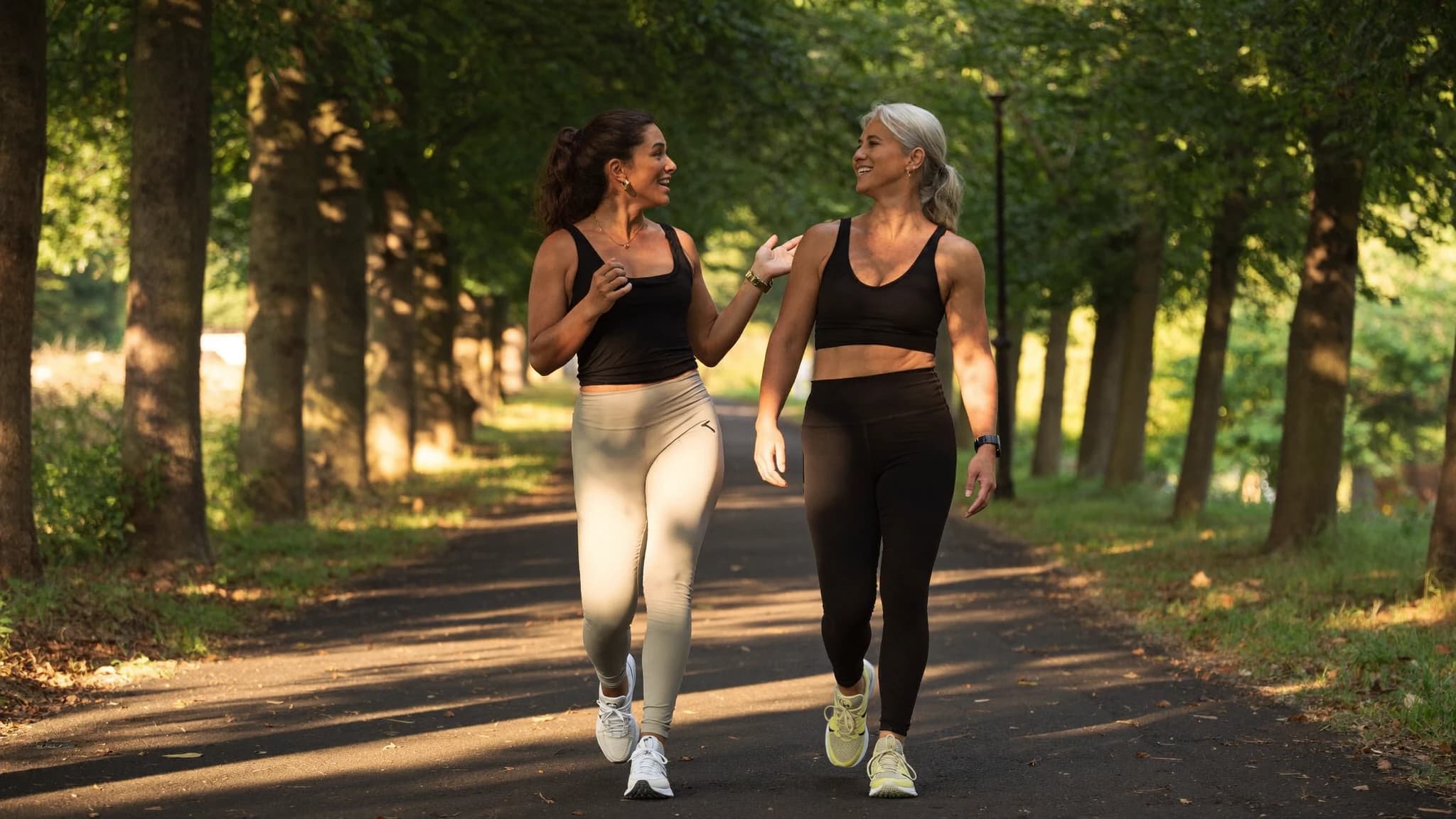
In recent years, midlife women have been redefining what aging looks like. The idea that getting older means slowing down is starting to fade, replaced by a growing focus on longevity and quality of life.
And this shift isn’t just a trend, it's backed by data. A recent AARP survey found that 93% of older adults believe regular exercise helps them live longer, healthier lives. In other words, midlife women are no longer accepting decline as the defaulter, they’re investing in how they want to feel and live long-term.
Why More Women Are Turning to Fitness Now
Midlife brings major life transitions, empty nests, career shifts, hormonal changes and for many women, fitness has become a way to regain control.
Studies show that women who stay active in their 40s and 50s experience better overall health and quality of life. Even those who begin exercising later, around age 55, see meaningful improvements in physical function, energy, and daily capability.
And the benefits go far beyond the physical.
Active women report better mental health, lower stress levels, and a stronger sense of well-being. In fact, 91% of active older adults rate their mental health as “good,” compared to significantly lower numbers in less active groups. Regular movement isn’t just exercise, it becomes a reset, a moment of control in otherwise busy, demanding lives.
For many women, it’s also deeply personal. Midlife often comes with identity shifts, and fitness becomes a way to reconnect with strength, confidence, and self-trust.
From Weight Loss to Independence
Fitness in midlife looks different and that’s a good thing.
Today, more women are training for something far more meaningful than aesthetics: independence. The ability to carry groceries, move without pain, stay balanced, and keep up with life on their own terms.
What does independence look like at 60
It looks like freedom. Moving with ease, feeling strong, staying active, and continuing to do the things that matter to you.
This is where fitness becomes non-negotiable not for how you look, but for how you live.
The Reality of Midlife: Busy, Tired, Overwhelmed
Life doesn’t slow down in midlife in many ways, it speeds up.
Between work, family, and daily responsibilities, finding time for long workouts can feel unrealistic. And that’s exactly why the approach to fitness is changing.
The focus is shifting from doing more to doing what actually fits.
Shorter, more efficient workouts are becoming the new standard. More women are turning to 20-minute sessions that deliver real results without overwhelming their schedule. Research shows that even shorter workouts can support heart health, metabolism, and strength—when done consistently.
The New Approach: Smarter, Not Harder
That means:
- Strength training to maintain muscle and bone density
- Mobility and flexibility work to support joints and prevent injury
- Lower-impact cardio that energizes instead of drains
- Recovery that’s treated as essential, not optional
This approach allows women to stay consistent, avoid burnout, and actually see results that last.
What This Means for the Future of Women’s Health
This shift is already changing the wellness industry.
More brands, apps, and health platforms are starting to recognize the needs of women 45+ a group with both the motivation and the intention to invest in their health.
Nearly 3 in 4 women over 45 say they are actively trying to improve their health through movement and lifestyle changes.
And expectations are higher than ever.
Women are no longer looking for generic programs or quick fixes. They want personalized, effective, science-backed solutions that actually fit their lives and their bodies.
That’s exactly where platforms like Younger Fitness come in built specifically for women navigating perimenopause, menopause, and postmenopause, with a focus on smarter training, sustainable routines, and real-life support.
Being strong today isn’t just about today. And having the right support along the way makes all the difference.
Sources
- AARP. Physical Activity and Health Among Older Adults (recent survey data on exercise and longevity)
- Centers for Disease Control and Prevention (CDC). Physical Activity Guidelines for Americans
- National Institutes of Health (NIH). Exercise and Aging: Impact on Physical and Mental Health
- Harvard Health Publishing. Exercise and Longevity in Midlife and Beyond
- North American Menopause Society (NAMS). Menopause and Healthy Aging Guidelines
- Journal of Aging and Physical Activity. Impact of Exercise on Physical Function in Older Women
- Mayo Clinic. Exercise Benefits for Aging Adults