August 7, 2026
Joint discomfort often becomes one of the first physical changes many women notice during midlife. Everyday activities like climbing stairs, opening a stubborn jar, carrying groceries, or getting out of the car may suddenly feel less comfortable than they once did. While occasional aches are common, research suggests that nutrition can play an important role in supporting joint health, reducing inflammation, and helping maintain mobility. The most effective approach isn't a single "superfood," but a consistent anti-inflammatory diet built around whole, nutrient-rich foods that support healthy aging.
Why Joint Pain Becomes More Common in Midlife
Joint pain is rarely caused by one factor alone. During midlife, hormonal changes, normal aging, and years of accumulated wear on the joints often begin to overlap.
As estrogen levels decline during menopause, many women experience increased stiffness, muscle loss, and changes in bone density that can affect how joints feel and function. Cartilage also becomes less resilient over time, while inflammation may become more active inside the joint itself.
This doesn't mean joint pain is inevitable. Lifestyle choices including nutrition, regular movement, and strength training can help support healthier joints and improve everyday function.
The Best Foods for Painful Joints
Research consistently points toward eating patterns rather than individual foods. A Mediterranean-style eating pattern rich in whole foods provides many of the nutrients that support healthy joints while reducing chronic inflammation.
Fatty Fish
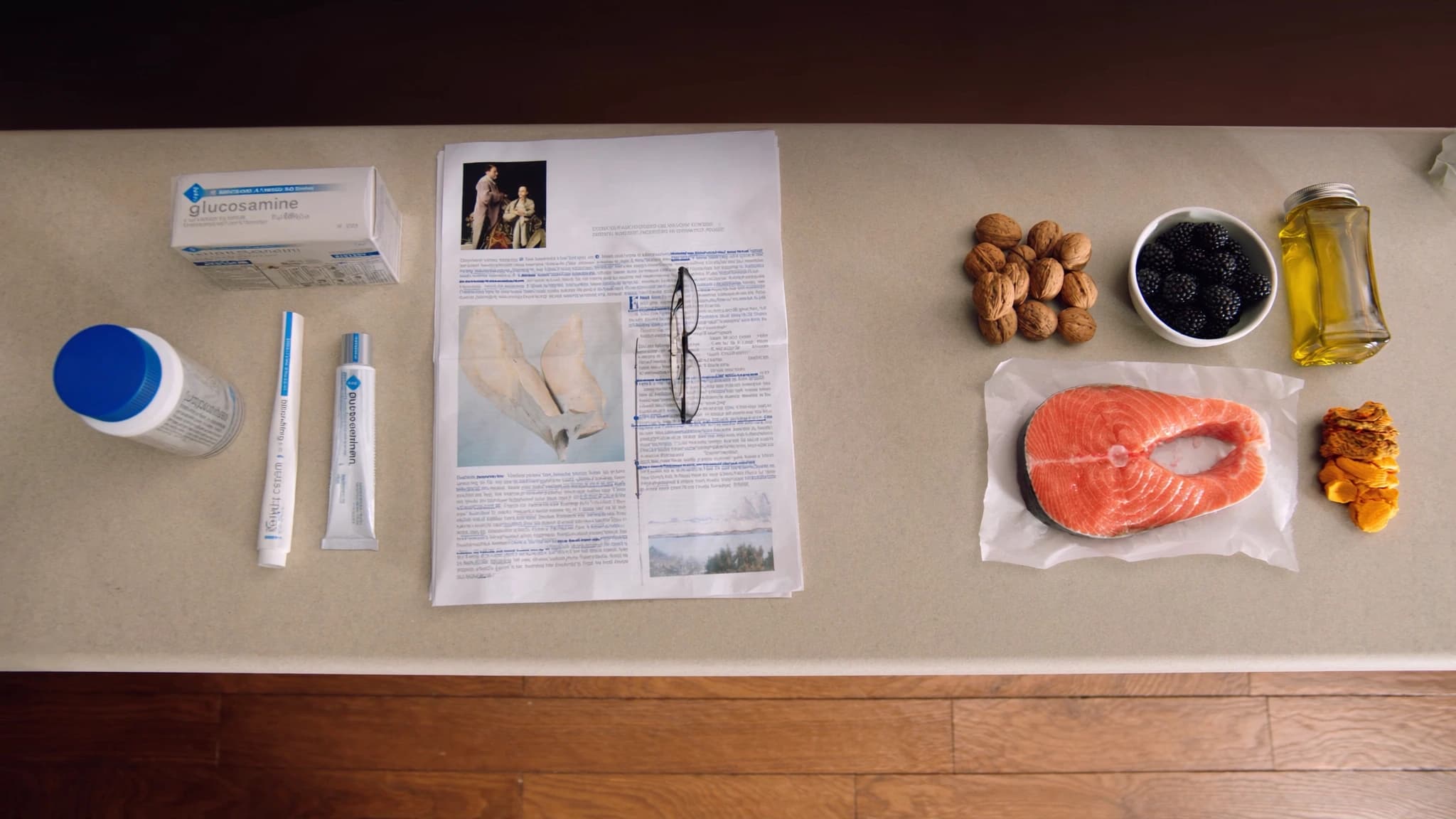
Salmon, sardines, trout, and mackerel are among the best omega-3 foods for supporting joint health.
Omega-3 fatty acids EPA and DHA help reduce inflammatory signaling and have been shown to improve pain and physical function in people with osteoarthritis and rheumatoid arthritis. Aim to include fatty fish at least twice each week whenever possible.
Colorful Fruits and Vegetables
Brightly colored fruits and vegetables provide antioxidants and plant compounds called polyphenols that help protect cells from oxidative stress.
Berries, cherries, spinach, kale, broccoli, and other colorful produce are excellent additions to an anti-inflammatory diet. Some clinical studies even suggest strawberries may improve pain and inflammation in people with knee osteoarthritis.
The goal is simply filling half the plate with colorful produce most days.
Extra Virgin Olive Oil
Olive oil is a cornerstone of the Mediterranean diet for good reason.
Extra virgin olive oil contains polyphenols, including oleocanthal, a natural compound with anti-inflammatory properties. Replacing butter or highly processed oils with olive oil is one of the easiest dietary changes that supports long-term joint health.
Protein Matters More Than Many Women Realize
Healthy joints depend on more than cartilage.
Muscles surrounding the joints absorb force, improve stability, and reduce stress during everyday movement. Without adequate protein for muscle health, maintaining strength becomes much more difficult.
Experts generally recommend that healthy older adults consume approximately 1.0 to 1.2 grams of protein per kilogram of body weight each day, especially when combined with regular resistance exercise.
Excellent protein choices include:
- Fish
- Greek yogurt
- Eggs
- Beans and lentils
- Tofu
- Chicken
- Cottage cheese
Calcium and Vitamin D
Although vitamin D isn't a cure for joint pain, it remains essential for bone and muscle health.
Together, calcium and vitamin D help maintain strong bones that support healthy joints. Dairy foods, fortified plant milks, leafy greens, tofu, and canned sardines with bones are all excellent dietary sources.
If vitamin D supplementation is recommended by a healthcare provider, taking it with a meal containing healthy fat may improve absorption.
Foods That May Increase Inflammation
No food needs to be permanently off limits, but regularly eating highly processed foods may contribute to chronic low-grade inflammation.
Try limiting:
- Sugary drinks
- Candy and pastries
- Processed snack foods
- Fast food
- Processed meats
- Foods containing industrial trans fats
Rather than focusing on restriction, aim to replace these foods with whole, minimally processed alternatives whenever possible.
A Simple Joint-Friendly Plate
Building meals doesn't have to be complicated.
A balanced plate for joint pain in midlife might include:
- Half the plate filled with vegetables or fruit
- One-quarter lean protein such as salmon, beans, tofu, or chicken
- One-quarter whole grains or legumes
- Healthy fats like olive oil, walnuts, or avocado
One particularly nutrient-rich combination is grilled salmon served with white beans, spinach, roasted vegetables, and fresh berries for dessert. This single meal provides omega-3 fats, protein, fiber, antioxidants, calcium, and healthy fats that support both joints and overall health.
Nutrition Works Best Alongside Movement
Food provides the nutrients that support healthier joints, but movement helps keep those joints functioning well.
Regular walking improves circulation and mobility, while strength training helps build the muscles that protect knees, hips, and other weight-bearing joints. Balance exercises also become increasingly valuable because they improve stability and reduce the risk of falls.
Together, nutrition and exercise create a far more effective strategy than either one alone.
Final Thoughts
There isn't one perfect food that eliminates joint pain overnight.
Instead, the strongest evidence supports a consistent anti-inflammatory diet built around fatty fish, colorful fruits and vegetables, extra virgin olive oil, beans, nuts, whole grains, and adequate protein. Combined with regular walking and strength training, these habits help support joint health, preserve mobility, and promote healthy aging.
Small dietary changes may not seem dramatic from one day to the next, but over time they can help create a healthier environment for your joints making everyday activities feel a little easier and helping you stay active for years to come.
References
- American College of Rheumatology. Dietary recommendations for arthritis.
- Arthritis Foundation. Best Foods for Arthritis.
- National Institutes of Health Office of Dietary Supplements. (2024). Calcium Fact Sheet.
- National Institutes of Health Office of Dietary Supplements. (2024). Vitamin D Fact Sheet.
- World Health Organization. (2020). WHO Guidelines on Physical Activity and Sedentary Behaviour.
- Recent systematic reviews and meta-analyses on omega-3 fatty acids, Mediterranean diet, collagen supplementation, and osteoarthritis summarized in the source document.