August 12, 2026
Have you ever noticed that something you've done for years suddenly feels harder?
That's exactly what happened to Jenna.
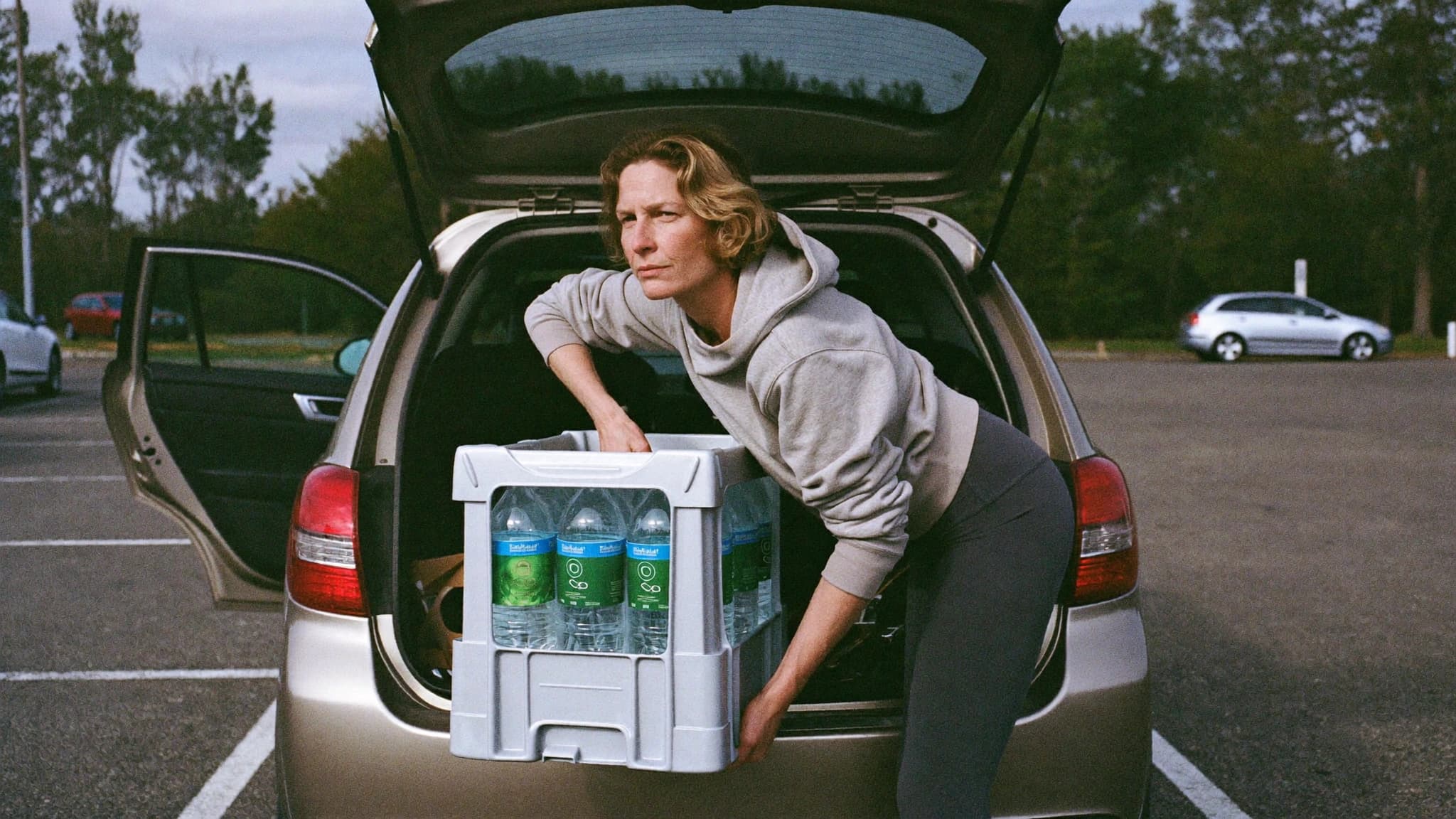
One afternoon after grocery shopping, she grabbed a few bags in one hand, her purse on the other shoulder, and started walking toward the house. Nothing about the trip was unusual. The bags weren't especially heavy.
But by the time she reached the front door, she had to stop for a moment before going back for the rest.
"I don't remember groceries feeling this heavy," she thought.
It wasn't the bags that surprised her.
It was how tired she felt afterward.
If Jenna's story sounds familiar, you're not alone. Many women begin noticing that everyday tasks like carrying groceries, lifting laundry, or walking with a heavy bag require more effort than they used to. The encouraging news is that this doesn't necessarily mean you're becoming weak, it often means your body is changing, and strength has become more important than ever.
It's Not Really About the Bag
Most of us blame the bag.
Maybe it's overpacked. Maybe it's the wrong style. Maybe we tell ourselves we simply need a better backpack.
Sometimes that's true.
But more often, the bag hasn't changed.
Your body has.
During menopause, declining estrogen and age-related muscle loss can gradually affect muscle strength, balance, and bone health. These changes don't only show up during exercise—they become noticeable while carrying groceries, lifting laundry, commuting, gardening, or picking up a grandchild. Many women don't realize these small moments are often the first signs that functional strength is changing.
Your Body Is Working Harder Than You Think
Carrying a heavy tote on one shoulder might seem harmless, but your body is constantly working to keep you balanced.
Your core stabilizes every step.
One shoulder works harder than the other.
Your hips compensate.
Even the way you walk changes.
Research has found that carrying weight evenly creates fewer disruptions to walking than carrying everything on one side. That's why something as simple as switching to a backpack or splitting grocery bags between both hands can make everyday carrying feel noticeably easier.
Four Small Changes That Make a Big Difference
You don't need perfect posture or expensive equipment. A few simple adjustments can immediately reduce unnecessary strain.
- Hold bags close to your body instead of letting them swing away from you.
- Whenever possible, divide the weight evenly between both sides.
- Avoid twisting while lifting a heavy bag from the floor or the car.
- Exhale while lifting instead of holding your breath.
These habits may seem small, but together they help your body move more efficiently and reduce fatigue during everyday activities.
The Real Solution Isn't a Better Bag
Jenna eventually bought a lighter tote. It helped a little.
But what made the biggest difference wasn't changing the bag.
It was rebuilding her strength.
Research consistently shows that resistance training can improve strength in middle-aged women, even after menopause. In one controlled study, women who completed resistance training twice a week significantly increased their strength regardless of menopausal status.
That's encouraging because carrying groceries isn't really about groceries.
It's about having enough strength to handle everyday life without feeling exhausted afterward.
Five Exercises That Build Everyday Carrying Strength
You don't need complicated workouts to feel stronger. The most effective exercises are often the ones that closely match real life.
Chair Sit-to-Stands strengthen your legs and hips, making it easier to lift bags from the floor.
Wall Push-Ups improve the pushing strength needed to lift bags into the car or onto your shoulder.
Resistance Band Rows build the upper back muscles that support better posture while carrying.
Farmer Carries improve grip strength, core stability, and your body's ability to carry weight comfortably.
Step-Ups strengthen your legs and improve walking endurance while carrying groceries or commuting.
Aim for two sets of 8–12 repetitions—or 20–40 seconds for carries—twice a week, gradually increasing the difficulty as your strength improves.
Small Habits Add Up
The biggest improvements often come from small daily choices.
- Carry groceries in two balanced trips instead of one overloaded trip.
- Take the stairs when you can.
- Do a few sit-to-stands while waiting for the kettle to boil.
- Walk an extra five minutes after shopping.
- Set your bags close to your body before lifting them again.
These habits reinforce the movement patterns your body relies on every day and help make ordinary tasks feel easier over time.
It's About More Than Carrying Bags
A few months later, Jenna noticed something unexpected.
She wasn't thinking about the groceries anymore.
She simply carried them inside.
Without stopping halfway.
Without switching hands every few steps.
Without feeling completely drained afterward.
That's the real goal.
Carrying bags is only one example of functional strength.
The same strength helps you carry laundry upstairs, travel with confidence, garden longer, keep up with your grandchildren, and continue doing the everyday things that make life feel independent.
Carry Less, Live More
If carrying bags has started feeling harder than it used to, don't assume it's simply part of getting older.
Age and menopause can change the body, but they don't define what's possible. With better carrying habits and consistent strength training, many women can improve how they move through everyday life.
Because the goal isn't just carrying heavier bags.
It's having the strength to keep saying yes to the life you want to live.
References
Centers for Disease Control and Prevention. (2024). Physical activity for adults.
Mayo Clinic Staff. (2024). Strength training: Get stronger, leaner, healthier.
National Institute on Aging. (2024). Exercise and physical activity.
World Health Organization. (2022). Physical activity.
Kim, J., et al. (2023). Effects of free-weight resistance training on strength and body composition in middle-aged women across menopausal status. Journal of Exercise Rehabilitation.
Kim, J., et al. (2021). Effects of symmetrical versus asymmetrical load carriage on gait coordination. Gait & Posture.
Pascoe, D. D., et al. (2008). Effects of asymmetrical bag carrying on gait and muscle recruitment in young and elderly women. Ergonomics.