June 24, 2026
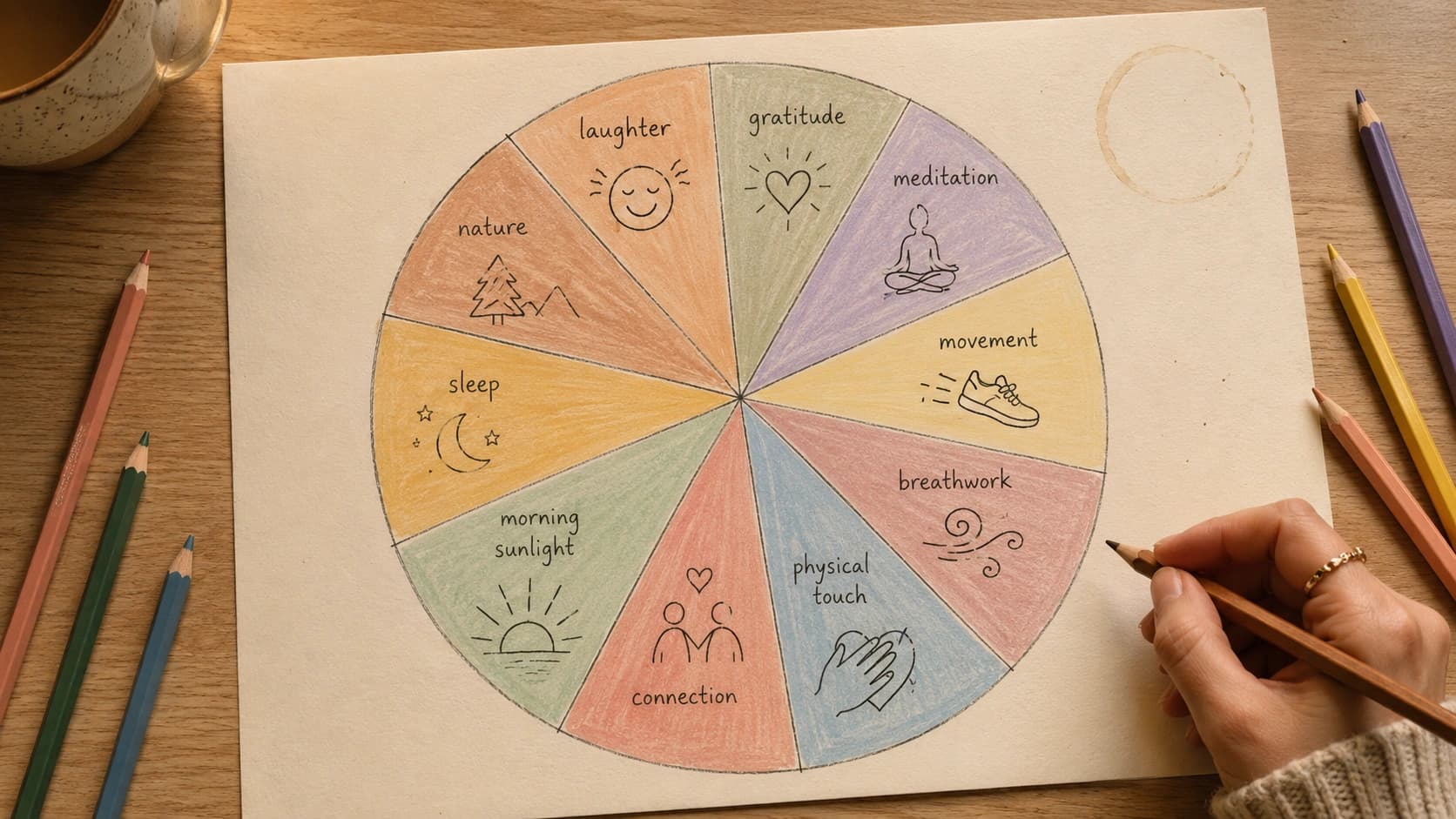
Women over 45 often experience significant physical and emotional changes related to menopause, aging, and shifting life responsibilities. While medical care remains important, simple daily habits can serve as powerful “free medicines” that support both physical and mental well-being.
This guide explores 10 evidence-based wellness practices that require little to no money but can deliver meaningful health benefits. From laughter and gratitude to movement, sleep, and time in nature, these habits have been linked to lower stress levels, improved mood, stronger immunity, better cardiovascular health, and enhanced overall quality of life.
We'll also discuss potential precautions, recommended daily doses, and practical ways to incorporate these habits into your routine.
1. Laughter, Nature’s Mood-Enhancer
Laughter may be one of the simplest and most enjoyable forms of stress relief. A genuine laugh triggers the release of endorphins the body's natural feel-good chemicals, while lowering stress hormones such as cortisol and adrenaline.
Research suggests that laughter can improve oxygen intake, stimulate the heart and lungs, enhance circulation, and contribute to a stronger immune response. Some studies have even found that watching comedy can increase natural killer cell activity, an important component of immune function, while also helping reduce blood pressure.
Daily Dose
- Watch a funny TV show or movie
- Share jokes with friends
- Try laughter yoga
- Aim for 5–10 minutes of laughter daily
Evidence Level
Moderate – Supported by physiology and lifestyle medicine research.
Possible Side Effects
Laughter is generally very safe. However, extremely intense laughter may temporarily increase heart rate or blood pressure. In rare cases, older adults may experience stress incontinence during prolonged bouts of laughter.
2. Gratitude, A Simple Happiness Habit
Gratitude is more than simply saying “thank you.” Taking time each day to recognize positive experiences can significantly improve emotional well-being.
Studies show that people who keep gratitude journals often report higher levels of optimism, better sleep quality, improved physical health, and greater motivation to exercise. Research has also linked gratitude practices to lower levels of depression and anxiety, particularly among women facing health challenges or major life transitions.
By shifting attention away from daily stressors and toward positive experiences, gratitude can create lasting improvements in mindset and resilience.
Daily Dose
Spend 5–10 minutes each evening writing down:
- Three things you're grateful for
- One positive experience from the day
- One person you appreciate
Evidence Level
Moderate – Supported by systematic reviews and psychology studies.
Possible Side Effects
There are no known harmful side effects. However, gratitude practices should not replace professional mental health treatment for individuals experiencing severe depression or anxiety.
3. Meditation, The Mind-Body Balancer
Meditation is one of the most extensively studied wellness practices available today. Even a few minutes of mindfulness each day can help lower stress levels and improve emotional balance.
Research has shown that meditation can reduce cortisol levels, lower heart rate, improve focus, and decrease symptoms of anxiety and depression. Regular practice may also strengthen emotional resilience, making it easier to manage life's challenges.
You don't need a special room or advanced technique to get started. Simply sitting quietly and focusing on your breathing can provide measurable benefits.
Daily Dose
- Practice guided meditation
- Focus on mindful breathing
- Sit quietly and observe your breath
Aim for 5–15 minutes daily, gradually increasing if desired.
Evidence Level
High – Supported by hundreds of clinical trials and meta-analyses.
Possible Side Effects
Meditation is generally safe, but some people may experience temporary feelings of anxiety, restlessness, or emotional discomfort, particularly if they have a history of trauma. If strong negative emotions arise, consider speaking with a qualified meditation teacher or mental health professional.
4. Movement, The Ultimate Free Medicine
If there were a single habit that consistently appears in nearly every healthy aging guideline, it would be regular physical activity.
Exercise helps maintain muscle mass, strengthen bones, support heart health, improve mood, regulate blood sugar, and boost metabolism. For women over 45, movement is particularly important because natural hormonal changes can contribute to muscle loss and reduced metabolic rate.
Although exercise may not eliminate menopause symptoms entirely, studies consistently show benefits including improved sleep quality, better cardiovascular fitness, reduced anxiety, and stronger bones.
Daily Dose
Aim for:
- 30 minutes of moderate activity most days
- 150 minutes of moderate exercise weekly
- Strength training 2–3 times per week
- Daily stretching or yoga
Examples include:
- Walking
- Swimming
- Dancing
- Cycling
- Resistance band exercises
- Bodyweight workouts
Evidence Level
High – Supported by major health organizations and extensive research.
Possible Side Effects
Exercise is generally safe when approached gradually. To avoid injury:
- Start slowly if you're sedentary
- Listen to your body
- Consult your healthcare provider if you have cardiovascular or joint conditions
5. Breathwork, Stress Relief in Minutes
Breathing is something we do automatically, yet intentional breathing exercises can dramatically influence how we feel.
Deep diaphragmatic breathing activates the parasympathetic nervous system—the body's natural relaxation response. Studies have found that slow, controlled breathing can reduce anxiety, lower blood pressure, improve heart-rate variability, and promote feelings of calm.
Because breathwork requires no equipment and can be done anywhere, it's one of the easiest wellness habits to incorporate into a busy schedule.
Daily Dose
Practice for 5–10 minutes daily:
- Inhale slowly through your nose for 4–5 seconds
- Pause briefly
- Exhale slowly for 6–8 seconds
- Repeat
This technique works particularly well during stressful moments or before bedtime.
Evidence Level
Moderate – Supported by physiological and stress-management research.
Possible Side Effects
Breathing exercises are generally safe. However, breathing too deeply or too rapidly may cause dizziness, tingling, or lightheadedness. Move slowly and comfortably, especially if you have cardiovascular concerns.
6. Physical Touch, The Oxytocin Effect
Humans are naturally wired for connection, and physical touch plays an important role in emotional and physical health. Simple acts such as hugging, holding hands, cuddling, petting a dog or cat, or receiving a gentle massage can stimulate the release of oxytocin, often called the "bonding hormone."
Oxytocin helps reduce stress hormones like cortisol while promoting feelings of trust, comfort, and connection. Research suggests that positive physical touch may lower blood pressure, reduce anxiety, improve mood, and even strengthen relationships. People who regularly experience affectionate touch often report feeling less lonely and more emotionally secure.
Daily Dose
- Give or receive a hug
- Hold hands with a loved one
- Spend time cuddling with a partner, child, or pet
- Enjoy a relaxing massage
Aim for at least one meaningful moment of physical connection every day.
Evidence Level
Moderate – Supported by neuroscience and psychology research.
Possible Side Effects
Physical touch is generally beneficial when it is consensual and appropriate. Individuals with certain medical conditions, injuries, or illnesses may need to modify physical contact as needed.
7. Meaningful Connection, The Power of Social Support
Strong social relationships are one of the most overlooked forms of preventive medicine. Research consistently shows that people with supportive friendships and family connections tend to live longer, experience lower rates of depression, and enjoy better overall health.
The World Health Organization notes that meaningful social connections can reduce inflammation, support mental well-being, and lower the risk of serious health conditions. On the other hand, chronic loneliness has been associated with higher risks of heart disease, stroke, cognitive decline, anxiety, and depression.
Whether it's a phone call, coffee with a friend, or participation in a community group, social interaction provides emotional support during life's challenges.
Daily Dose
- Call or text a friend
- Meet someone for coffee
- Join a hobby group or club
- Participate in community activities
Even a brief conversation can make a positive difference.
Evidence Level
High – Strong support from social and public health research.
Possible Side Effects
Healthy relationships improve well-being, but toxic or highly stressful relationships can negatively affect mental and physical health. Set boundaries where needed and prioritize supportive connections.
8. Morning Sunlight, Nature’s Circadian Reset
One of the simplest ways to support energy levels and sleep quality is to spend time outside in the morning sunlight.
Exposure to natural light shortly after waking helps regulate the body's internal clock, known as the circadian rhythm. Morning sunlight signals the brain to reduce melatonin production and increase serotonin, helping you feel more alert, focused, and positive throughout the day.
Sunlight also contributes to vitamin D production, which supports bone health, immune function, and cardiovascular health—important considerations for women over 45.
Daily Dose
- Spend 10–20 minutes outdoors each morning
- Take a short walk
- Enjoy coffee or tea outside
- Allow natural light to reach your face and eyes (without staring directly at the sun)
Evidence Level
High – Supported by circadian biology and sleep research.
Possible Side Effects
Avoid excessive sun exposure that could lead to sunburn. Individuals with a history of skin cancer or those taking photosensitizing medications should consult a healthcare provider regarding safe sun exposure.
9. Quality Sleep, Your Daily Repair System
Sleep is one of the most important yet undervalued health habits. During sleep, the body repairs tissues, regulates hormones, strengthens the immune system, and consolidates memory.
For women over 45, quality sleep becomes especially important because hormonal changes can interfere with sleep patterns. Consistently getting enough rest can improve mood, support weight management, strengthen immunity, and reduce the risk of chronic diseases such as diabetes and heart disease.
Poor sleep, on the other hand, has been linked to increased stress, higher inflammation levels, reduced cognitive performance, and greater risk of depression.
Daily Dose
Aim for 7–9 hours of sleep per night.
Helpful sleep habits include:
- Maintaining a consistent bedtime
- Limiting screen time before bed
- Keeping the bedroom cool, dark, and quiet
- Avoiding heavy meals late in the evening
Evidence Level
High – Supported by decades of sleep medicine research.
Possible Side Effects
If you regularly struggle with insomnia, loud snoring, or excessive daytime fatigue, consult a healthcare provider to rule out conditions such as sleep apnea.
10. Nature, The Ultimate Antidote to Stress
Spending time in nature is one of the most effective ways to reduce stress and support overall well-being. Whether it's a walk through a park, a hike in the woods, gardening, or simply sitting near water, natural environments can have a profound impact on both mental and physical health.
Research on forest bathing, known in Japan as shinrin-yoku, shows that spending time in green spaces can lower cortisol levels, reduce blood pressure, improve mood, and support immune function. Nature exposure has also been linked to improved attention, creativity, and emotional resilience.
The best part? You don't need a forest or mountain trail. Even a neighborhood park can provide benefits.
Daily Dose
- Spend 20–30 minutes outdoors daily
- Walk through a park
- Garden
- Sit near water
- Take breaks outside whenever possible
Evidence Level
High – Supported by growing research in environmental and preventive health.
Possible Side Effects
Potential concerns include pollen allergies, insect bites, and uneven walking surfaces. Use appropriate footwear and protection when needed.
Bringing It All Together
The beauty of these wellness habits is that they are accessible, sustainable, and often completely free. While they may seem simple individually, their combined effects can have a powerful impact on physical health, emotional well-being, and healthy aging.
You don't need to implement all ten habits overnight. Start with one or two practices that feel manageable and gradually build from there. A short walk in nature, a daily gratitude journal, a few minutes of deep breathing, or spending more time with loved ones can create meaningful improvements over time.
Consistency matters more than perfection. Small daily actions often produce the biggest long-term results.
For women over 45 navigating menopause, changing hormones, and new life stages, these habits offer practical ways to support energy, resilience, mood, and overall health without the need for expensive programs or complicated routines.
Citations
- Centers for Disease Control and Prevention (CDC). (2024). Sleep and Sleep Disorders.
- Centers for Disease Control and Prevention (CDC). (2024). Benefits of Physical Activity.
- Cleveland Clinic. (2024). Benefits of Morning Sunlight and Deep Breathing.
- Emmons, R. A., & McCullough, M. E. (2003). Counting Blessings Versus Burdens: An Experimental Investigation of Gratitude and Subjective Well-Being in Daily Life. Journal of Personality and Social Psychology, 84(2), 377–389.
- Field, T. (2010). Touch for Socioemotional and Physical Well-Being. Developmental Review, 30(4), 367–383.
- Goyal, M., et al. (2014). Meditation Programs for Psychological Stress and Well-being. JAMA Internal Medicine, 174(3), 357–368.
- Holt-Lunstad, J., Smith, T. B., & Layton, J. B. (2010). Social Relationships and Mortality Risk. PLOS Medicine, 7(7).
- Mayo Clinic. (2024). Stress Relief from Laughter? It's No Joke.
- National Institute on Aging. (2024). Healthy Aging.
- National Institutes of Health (NIH). (2023). Meditation and Mindfulness.
- Park, B. J., et al. (2010). The Physiological Effects of Shinrin-Yoku. Environmental Health and Preventive Medicine, 15(1), 18–26.
- Twohig-Bennett, C., & Jones, A. (2018). The Health Benefits of the Great Outdoors. Environmental Research, 166, 628–637.
- World Health Organization (WHO). (2023). Social Connection and Healthy Aging.